Slowness uses cookies to enhance the quality of our website. You can control how these cookies and similar technologies are used by adjusting your settings in My Preferences. To learn more about which cookies we use and how to edit your preferences, read our Cookie Policy.
PREFERENCES
Slow uses cookies to enhance the quality of our website. You can control how cookies and similar technologies are used on this website by making a selection below.
Save Preferences
Want to learn more about our people, places and projects? Sign up below to get our occasional newsletter.
Sourcing Slowness

Feature

Agrarian Ethics and Culinary Craft

Celebrating the Lisbon food market created by Friends of a Farmer and Magnolia, we visited some of the producers at the forefront of the culinary craft revival in Portugal to learn about their ethics and dreams for a tastier future.

  • Photographer Matilde Travassos
  • Text Aurora Solá

Celebrating the Lisbon food market created by Friends of a Farmer and Magnolia, we visited some of the producers at the forefront of the culinary craft revival in Portugal to learn about their ethics and dreams for a tastier future.

  • Photographer Matilde Travassos
  • Text Aurora Solá

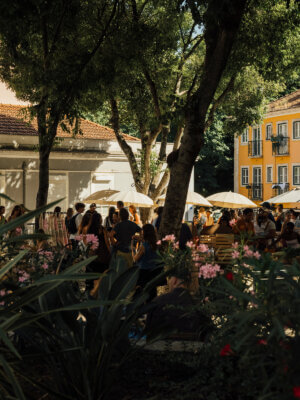
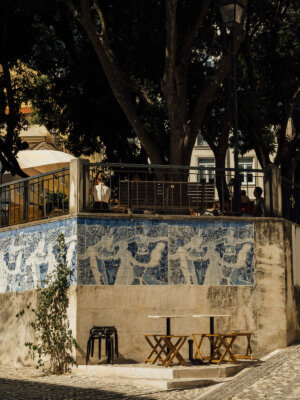
IN ITALO CALVINO’S Invisible Cities, he describes the seaside city of Euphemia where “merchants of seven nations gather at every solstice and equinox.” He may as well have been describing Lisbon, or at least a particular square in Lisbon where, across polished limestone cobbles every other Thursday, an ancient habit unfurls. Vendors from Italy, France, Spain, Argentina, Mexico, Japan and possibly other places too arrange their goods on tables in the age-old manner. The citizens of the city arrive carrying baskets, willing to have their appetites stimulated, and the happy noise of exchange visits Largo Agostinho da Silva for an afternoon.

The idea for the market emerged from the fields of Friends of a Farmer, the Slowness vegetable garden an hour south of Lisbon led by Andy Szymanowicz. “We needed an outlet for the abundance of the farm,” says Amber Liebmann. “We were doing interesting vegetables that looked and tasted really good: heirloom tomato varietals, baby eggplants, Thai and lemon basil, different kinds of radicchio. And then there were our flowers: rudbeckias, star flowers, snapdragons, dahlias.” From assistant gardener, she has become the chief architect of the market, which she runs since 2024 in association with Magnolia, the jasmine-fringed bistro on the corner of the square.

Today, the market is a platform by which Friends of a Farmer creates connections between culinary artisans, ethical farmers and the general public.
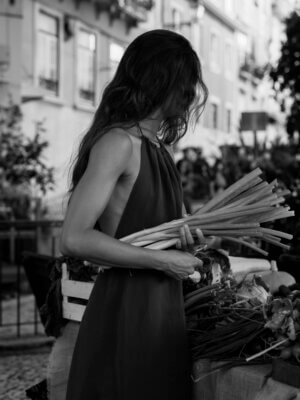
Amber Liebmann

“Most of these producers make things from their home, and they’re so obsessed with what they’re crafting that they don’t have time to get out there and promote. It was the same for us on the farm. What we needed from the market we were able to give to other food crafters.”

Calvino’s mythical market is a place for trading memories as much as goods; people gather not only to buy and sell but to exchange words like “wolf” and “battle” and “lovers.” At this market in Lisbon, words you are more likely to hear are “fermented” or “organic” — but every vendor in the rotating roster is reviving and remaking one story or another. You might find a rosy kimchi, crafted weekly in small batches to allow the most exciting flavors to be intentionally cultivated according to the season. Or perhaps a smoked bifana, a twist on the classic Portuguese steak sandwich. Or even handmade pasta takeout, made from durum wheat semolina. You might find a bone broth vendor, cut flowers, fresh mushrooms, a stall selling low-intervention wines by the glass. Each offers a different way of tasting Lusitania. 

“Most of these producers make things from their home, and they’re so obsessed with what they’re crafting that they don’t have time to get out there and promote,” Liebmann says. “It was the same for us on the farm. What we needed from the market we were able to give to other food crafters.”

Each person bringing their wares to the market shares a keen sense for quality ingredients and a honed talent for converting that into more flavor. “For me, ethics is an obsession, a fastidiousness about what you’re growing, what you’re making, what you put into the product, which is a representation of you as a person,” Liebmann says. “I’ve found my people by looking for good food, and then I’ve discovered that we have so much else in common, even in our personalities.”

We got to know some of the people and projects driving the culinary craft revival in Portugal.

Ortodoxo
Artisanal cheesemakers, Azeitão, Sesimbra

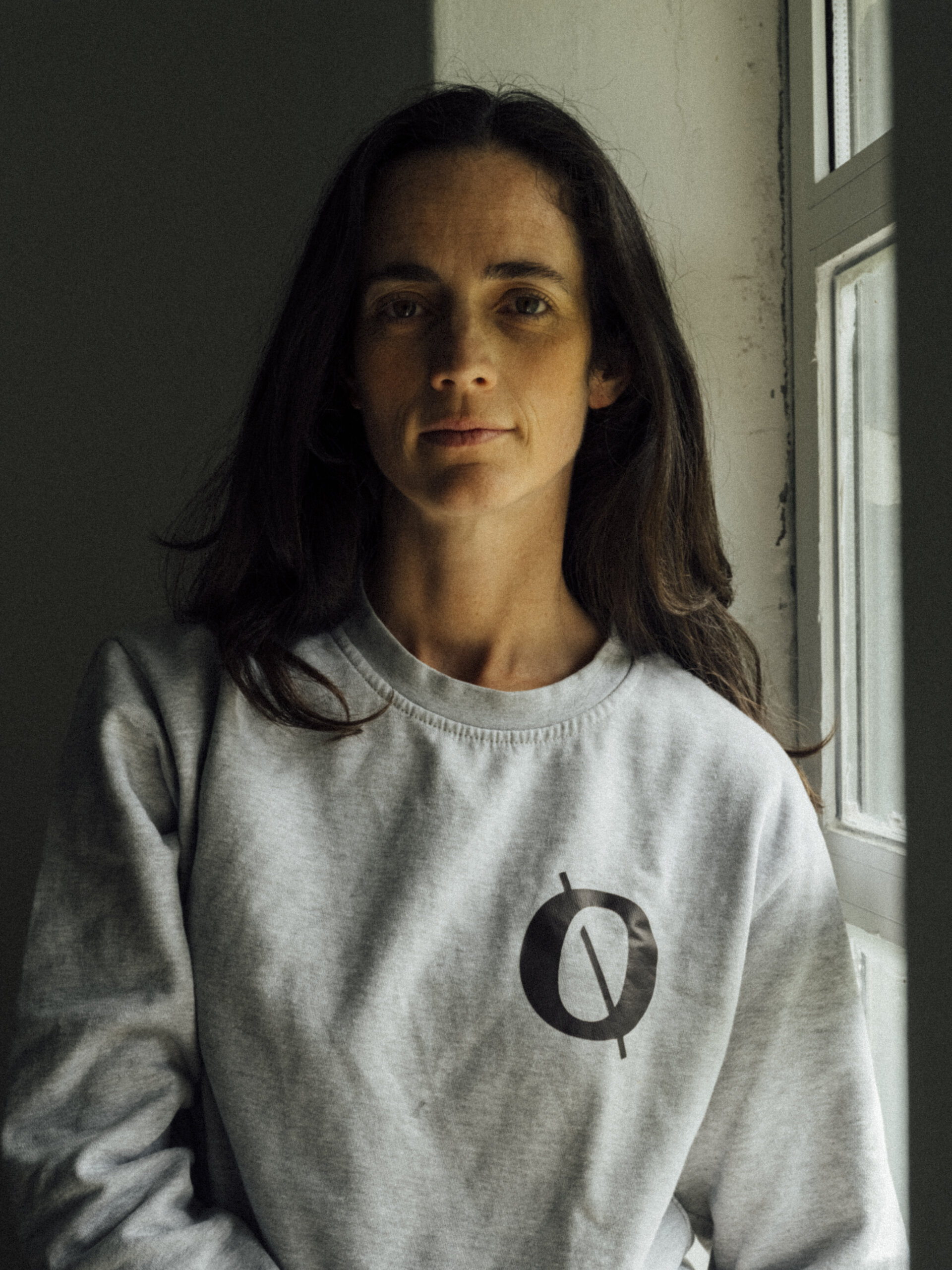
“I came to cheese relatively late in life,” says Maria Arriaga e Cunha of Ortodoxo. Trained as a landscape architect, she was bothered by a question beyond aesthetics. “I wanted to know what the land was good for,” she says, what practical and delicious harmony might be established between human dreams and the landscape.

At a Slow Food cheese fair in Bra in 2013 she fell in love with a French curd and decided to take a course with the Maison Mons affineurs. If these techniques were being transferred from France to equivalent climates in Australia, she wondered, why couldn’t that happen in Portugal? After returning and raising goats for three years in Alentejo, she began making a chèvre veludo (“velveteen goat’s cheese”) in her kitchen with milk from Evora, both imitating and innovating on the techniques she had acquired in her apprenticeship.

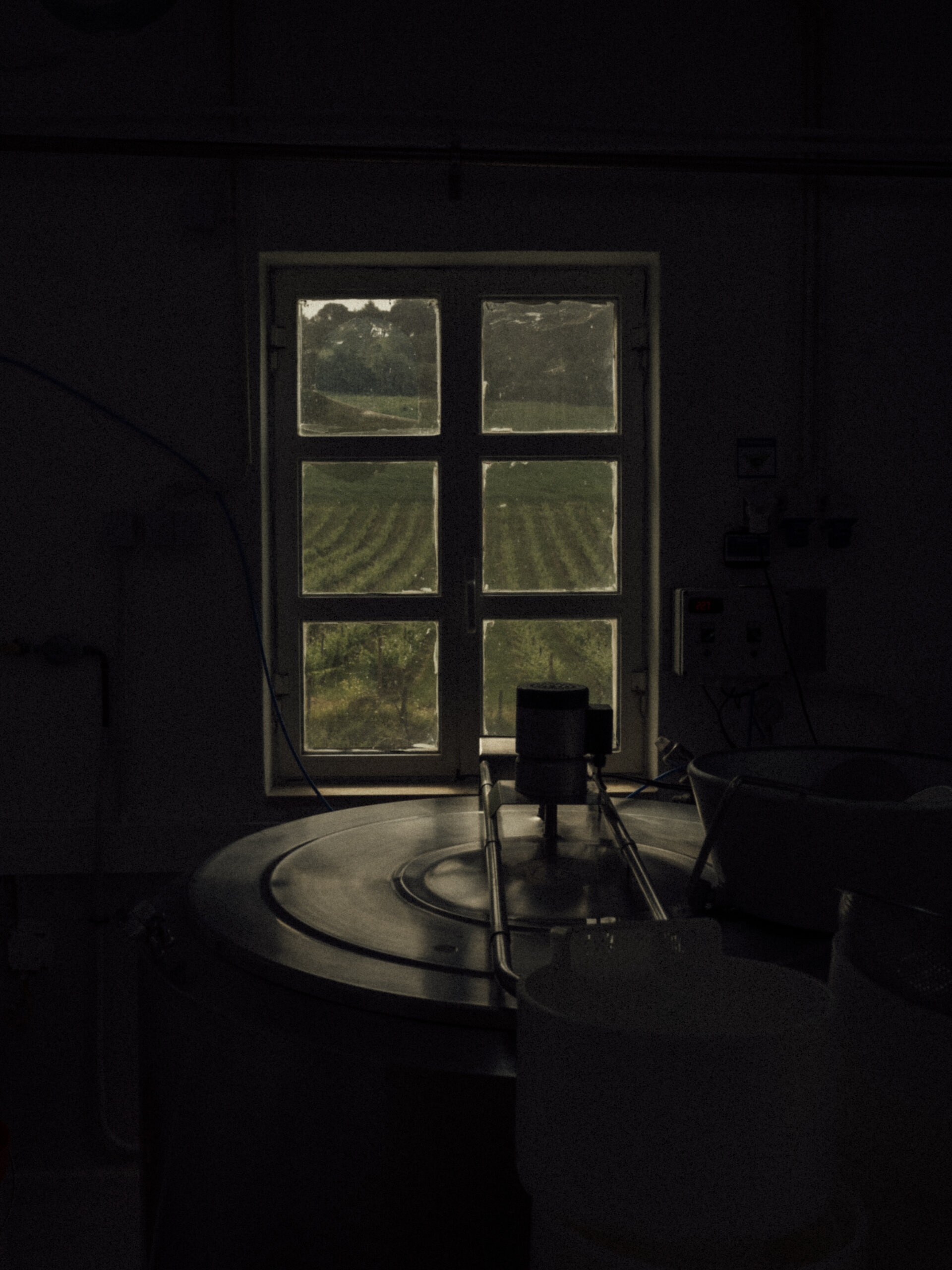
Today, she and her business partner Ze Abreu Lima craft Portugal’s finest cheese in a small factory outside Azeitão. Ortodoxo makes 60 tons of cheese a year, supplying over 400 restaurants across Lisbon, several of them Michelin-starred.

In 2022, they introduced Portugal’s first homegrown blue cheese, a deliciously marbled tab that goes by the name Azul da Arrábida. “The blue is my favorite,” Arriaga says. “The flavor of the mold seduced me.” Besides the usual elements of the cheese microbiome — the thermophilic starters, Lactobacillus species and various yeasts — the blue cheese relies on the introduction of Leuconostoc, a lactic acid bacteria that produces a gas within the cheese, opening up channels within the curd so that their surface can be colonized by the Penicillium roqueforti that turns it indigo.

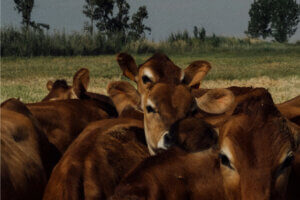
For Arriaga and Abreu, the quality of the cheese derives directly from the milk, which is why they have set up their own small dairy. “We are really crafting the cheese from the pasture,” she says. They have brought over a herd of Jersey cows, renowned for the creamy quality of their milk, and are raising them on a choice piece of land along the estuary of the Tagus River, where they roam in a peaceable pack across fields of grass.

Maria Arriaga

“People blame the land, say it isn’t good for this or that. But there is always a way to get something good from it. That’s why I’m interested in regenerative agriculture. We’re not asking for the best starting conditions, we are recognizing that we can improve the state of the land by our action.”

High genetics, rich alluvial soils, close attention to the composition of the pastures and a scrupulous milking technique combine to produce the stuff of Ortodoxo’s cheese. Case in point: over the last winter, after the fortieth consecutive day of rain when neither tractor nor cow could tread successfully across the mud — and wanting to avoid feeding them stored silage — Arriaga and Abreu went out to hand-harvest fresh pastures to feed the Jerseys.

“All the cows are very calm because they are in paradise,” says Abreu. While the Lisbon chefs they cater to are attached to Ortodoxo’s goat’s cheese, Arriaga and Abreu have found they can actually produce a cheese with better sensory qualities from the cows they carefully manage. They can also make it raw, thanks to their impeccable supply. “If you eat raw, you eat well,” Abreu explains. “When you pasteurise, you kill all the bad bacteria, but also the good.”

There is so much wasted land in Portugal,” says Arriaga. “People blame the land, say it isn’t good for this or that. But there is always a way to get something good from it. That’s why I’m interested in regenerative agriculture. We’re not asking for the best starting conditions, we are recognizing that we can improve the state of the land by our action.”

Pão do Pastor
Sourdough bakers, Lapa, Lisbon

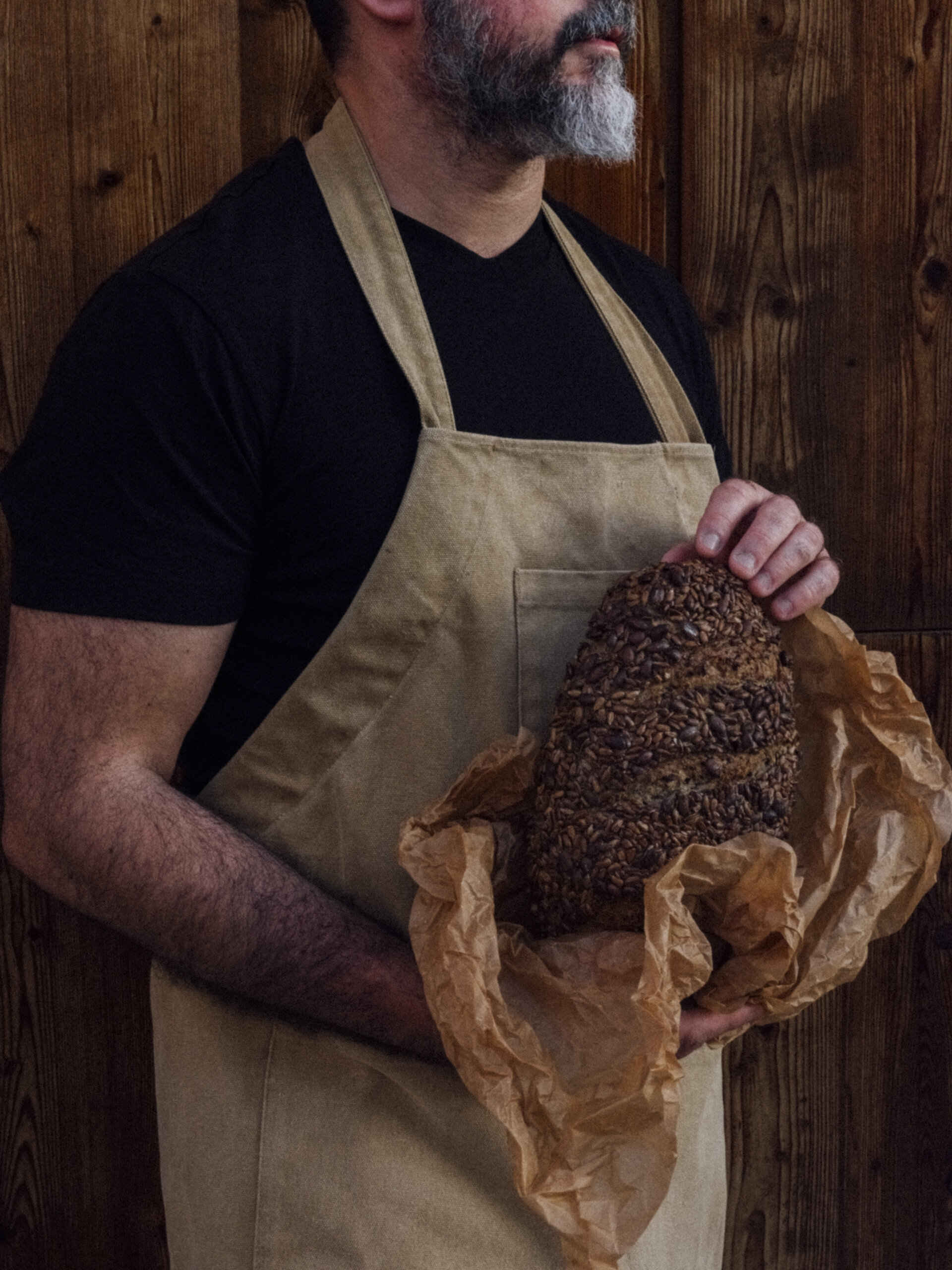
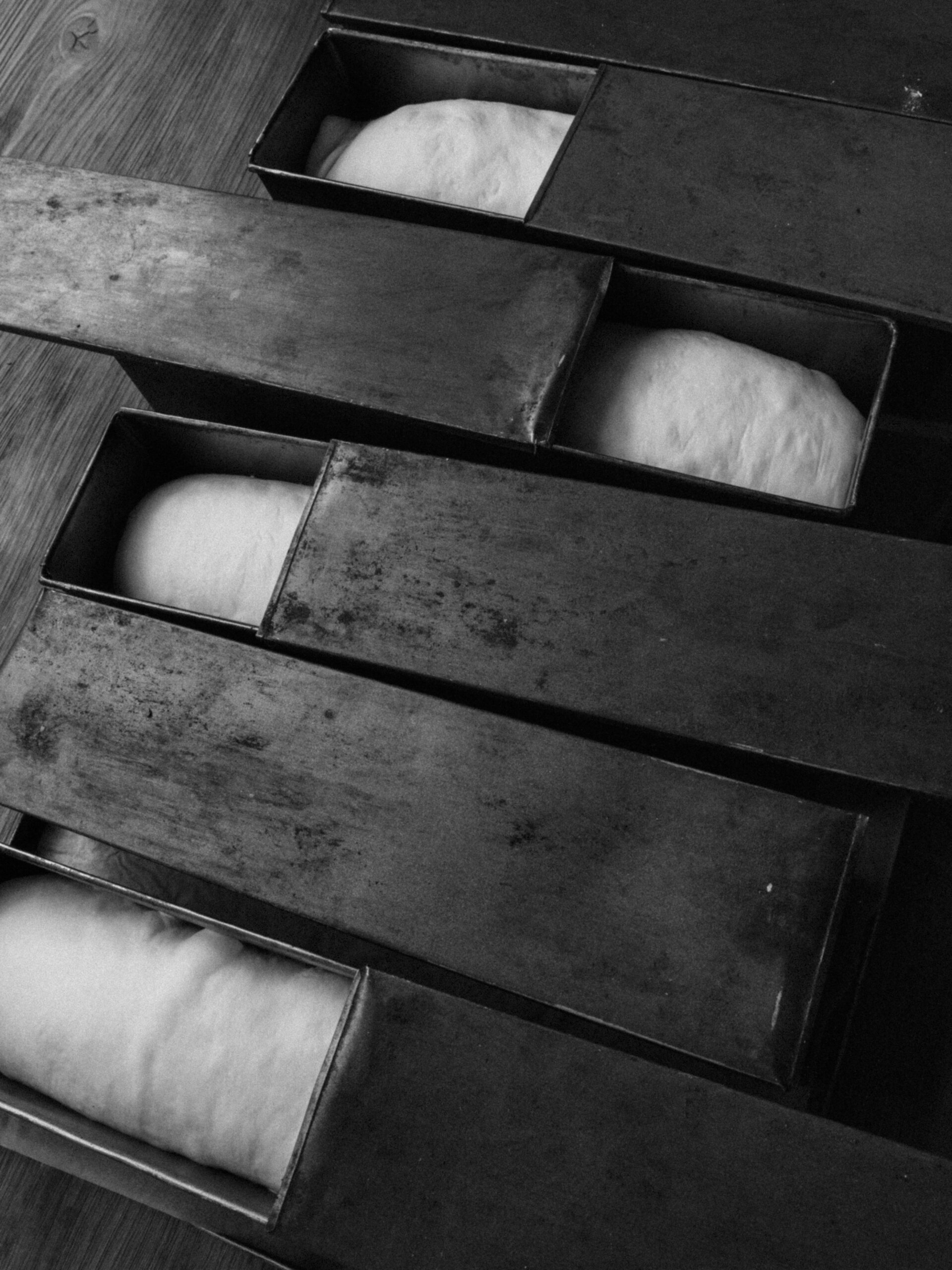
Every day at 4 am, Eduardo Pastor walks up Rua de São Félix, a quiet street in Lapa with views of the Tagus, up to the corner store at No. 33. He steps inside Pão do Pastor, a bakery established in 1906 that he has restored as a contemporary shrine to sourdough. Long marble counters and custom cedarwood cabinetry provide a stage for the lumpy beauty of bread, while a small ziggurat of loaf pans above the electric ovens has the aspect of an altar. In the back, two giant mud-brick ovens hold the memories of a century of loaves.

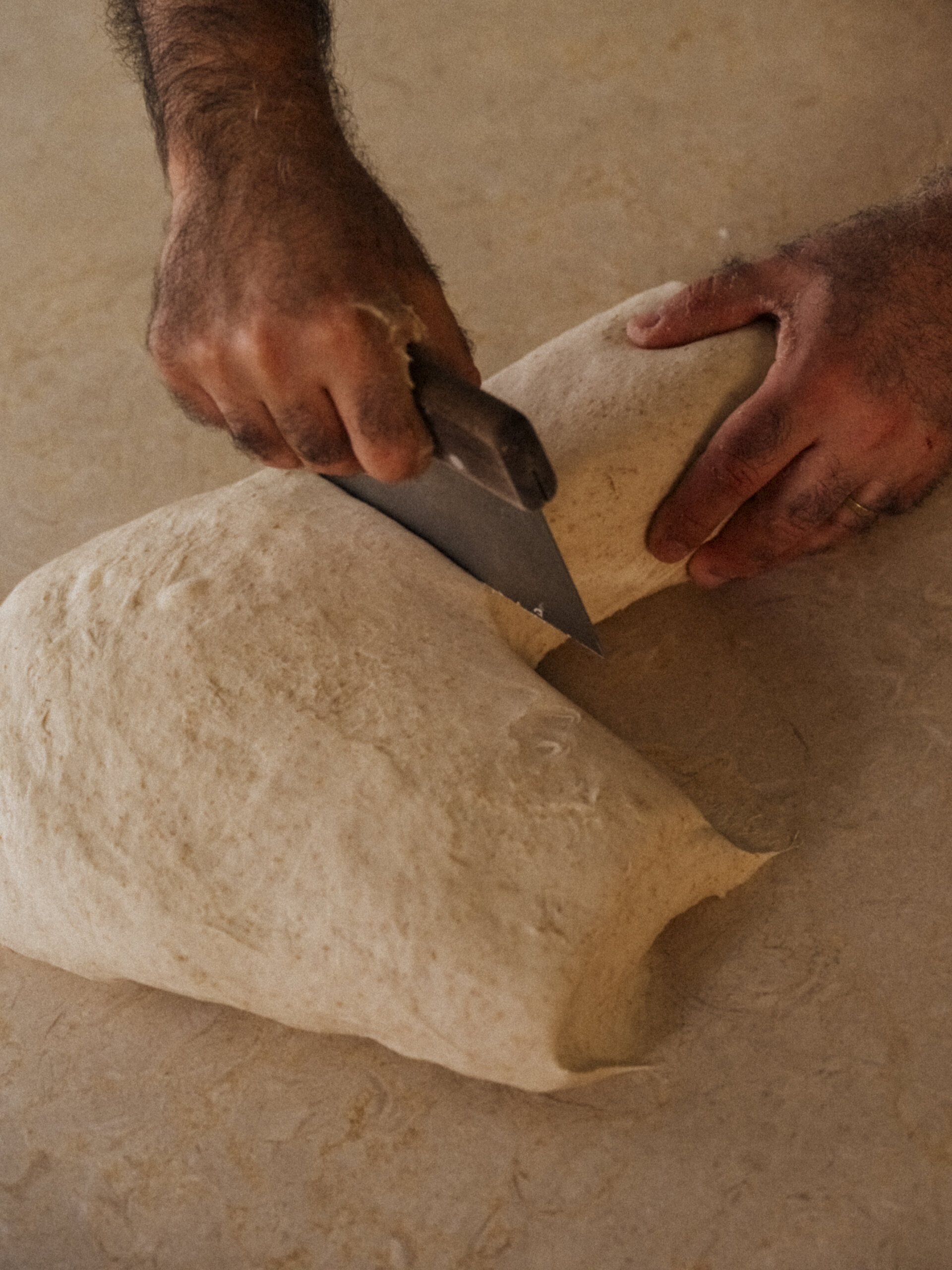
Pastor is up in the early hours so he can apply his preferred technique of breadmaking: autolysis, the plain mixing of flour, water and, crucially, time, before adding the fermented starter. Autolysis, a phase that some bakers choose to skip, kickstarts the enzymatic activity that develops the gluten lying in the wheat, resulting in a stronger, easier-to-shape dough that springs more in the oven. The early rise, for Pastor, equals the higher rise of the loaf.

With every cycle of fermenting, kneading and moulding, Pastor is evoking his earliest memories. Growing up in the countryside beyond São Paulo, his family gathered on Sundays to make bread. His grandfather would go out to gather kindling for the wood oven, while his mother and grandmother would bring out the “fermento de litro” — the mother dough that fed them all. It was a practice of generosity for the family — they invariably baked more bread than they could eat and so had plenty to give away — as well as a creative one that allowed them to experiment with adding pumpkin to the bake this week, chocolate the next. Many of these variations have found their way into the various loaves, buns and pastries that Pão do Pastor offers today in Lisbon.

Part of the secret to Pastor’s delicious sourdough is the flour, stone-milled and grown in native soil. “Most people don’t know that 90% of wheat in Portugal is imported,” Pastor says. He gets his from Paulo Horta, a seventh-generation miller who has amassed a collection of old millstones.

Paulo Horta

“People used to call me crazy when I would say I wanted to make flour that would make people more happy, but it’s not crazy. Bread is the life-giver. We are in the middle, between the farmers and the bakers, turning the wheel to support the flow of life.”

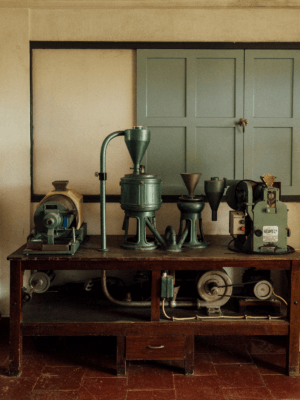
“We try to salvage stones when old mills are closing, because the old stones are better,” the miller explains. All of the flours sold by Farinha Paulino Horta, whether whole grain or not, preserve the germ. The germ, while concentrating the nutritional powers of the plant, reduces shelf life, which is why it has been excluded from industrial flour. “If we sell a bag of flour, we say you need to use it within three months at the most, because the germ is in there, it’s a living thing.” Horta also runs his millstones at a low temperature so as to not destroy any of the wheat’s enzymes or essential oils. “If you go slower, you get more taste and more personality.” 

“People used to call me crazy when I would say I wanted to make flour that would make people more happy, but it’s not crazy,” Horta says. “Bread is the life-giver. We are in the middle, between the farmers and the bakers, turning the wheel to support the flow of life.”

Rice Crafters
Rice farmers, Alcaçer do Sal, Setubal

Alcaçer do Sal has been a home to humans for at least 40,000 years. Three millennia ago, Phoenicians established a waystation at Alcaçer on the route to Cornwall, adding the alphabet and the concept of money to the chert flintstone tools of the local population. The city was variously ruled by Romans, Visigoths and Islamic caliphates.

“The Romans loved this area for many reasons,” says Filipe Núncio, speaking of a time when salt was as good as currency. They named the place Salacia, after the nymph and wife of the sea god Neptune. “London, Seville and Alcaçer were preferred by the Romans because they sit along rivers and below sea level, so salt was easy to make.” All they had to do was let the tide flood the salt flats and then close the sluice gates when it began to recede.

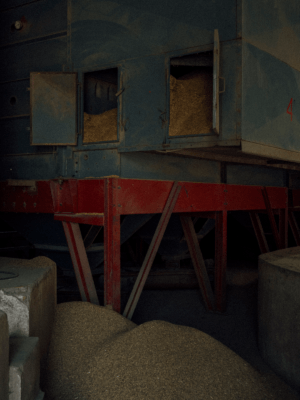
To grow rice here, you need to do the exact opposite. Holding the ocean water out of the polder fields, Portuguese farmers began to channel the fresh waters of the Sado River to grow rice in the eighteenth century. Today, their descendents — Núncio among them — continue to add bagasse and ground up olive pits to their soils to correct for the salt that still lingers. These soils, being composed mostly of clay, hold water as well as any terrace in Asia. 

Núncio’s rice paddies, inherited from his father, sit amidst olive and almond trees, stone pines, cork oaks, sheep and Iberian pork farms. But for Núncio, growing great rice is not enough. He wants to raise rice to a specialty. Inspiration for the endeavor came from the gastronomic cultures taking rice to the highest levels of flavor. “There are only 2.2 countries in the world doing what we are doing here: Japan, Italy and Valencia, which is one-fifth of Spain,” Núncio says. “Everyone else is treating rice like a commodity.”

Filipe Núncio

“When you change the rice variety, it’s like changing a grape in a wine. If you mix different kinds of rice together, you destroy the potential of the product.”

Rice Crafters, the company Núncio has set up to deliver on this ambition, insists that its rice carry no toxic residues, helping their farmers to implement integrated pest management (IPM). By planting naturally resistant varieties, preserving the natural predators of pests, practicing synchronized planting and using carefully selected pesticides only as a last resort, the rice on the dinner plate remains pure.

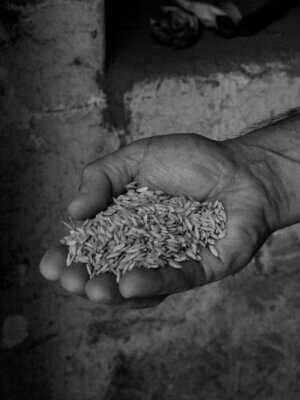
The other thing that makes Rice Crafters unique is the insistence on the value of monovarietals. “When you change the rice variety, it’s like changing a grape in a wine,” Núncio argues. “If you mix different kinds of rice together, you destroy the potential of the product.” Cooking time, cooking temperature, absorption qualities, stickiness and taste all shift from variety to variety. By handling each particular rice according to its special characteristics and keeping each separate, Núncio offers chefs and foodies an opportunity to tap more exceptional flavors.

“This is how you de-commoditize a product, let it speak again,” Núncio says.

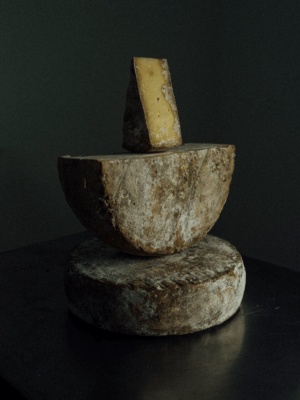
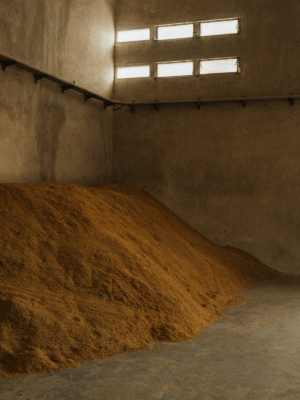
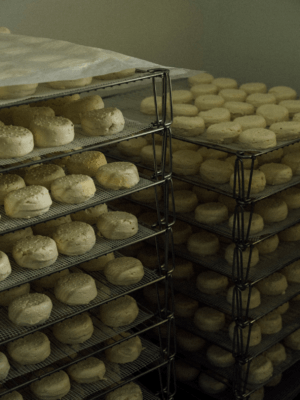
Grande do Viso cheese setting at Ortodoxo's factory
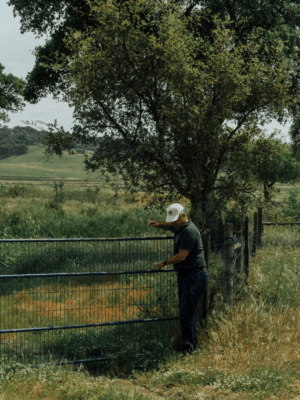
Filipe Núncio at his rice paddies on the banks of the Sado
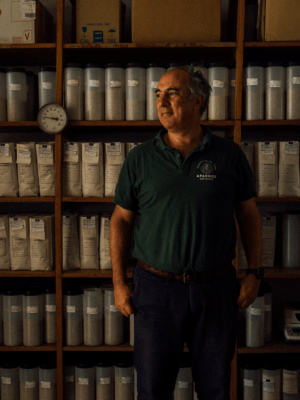
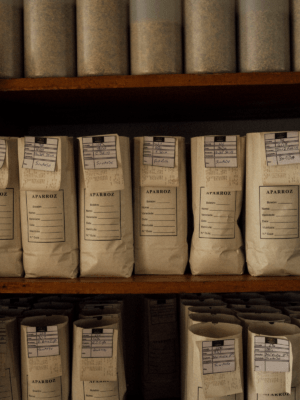
Rice Crafters and its parent company Aparroz keep an archive with samples from every rice harvest
Rising loaves at Pão do Pastor
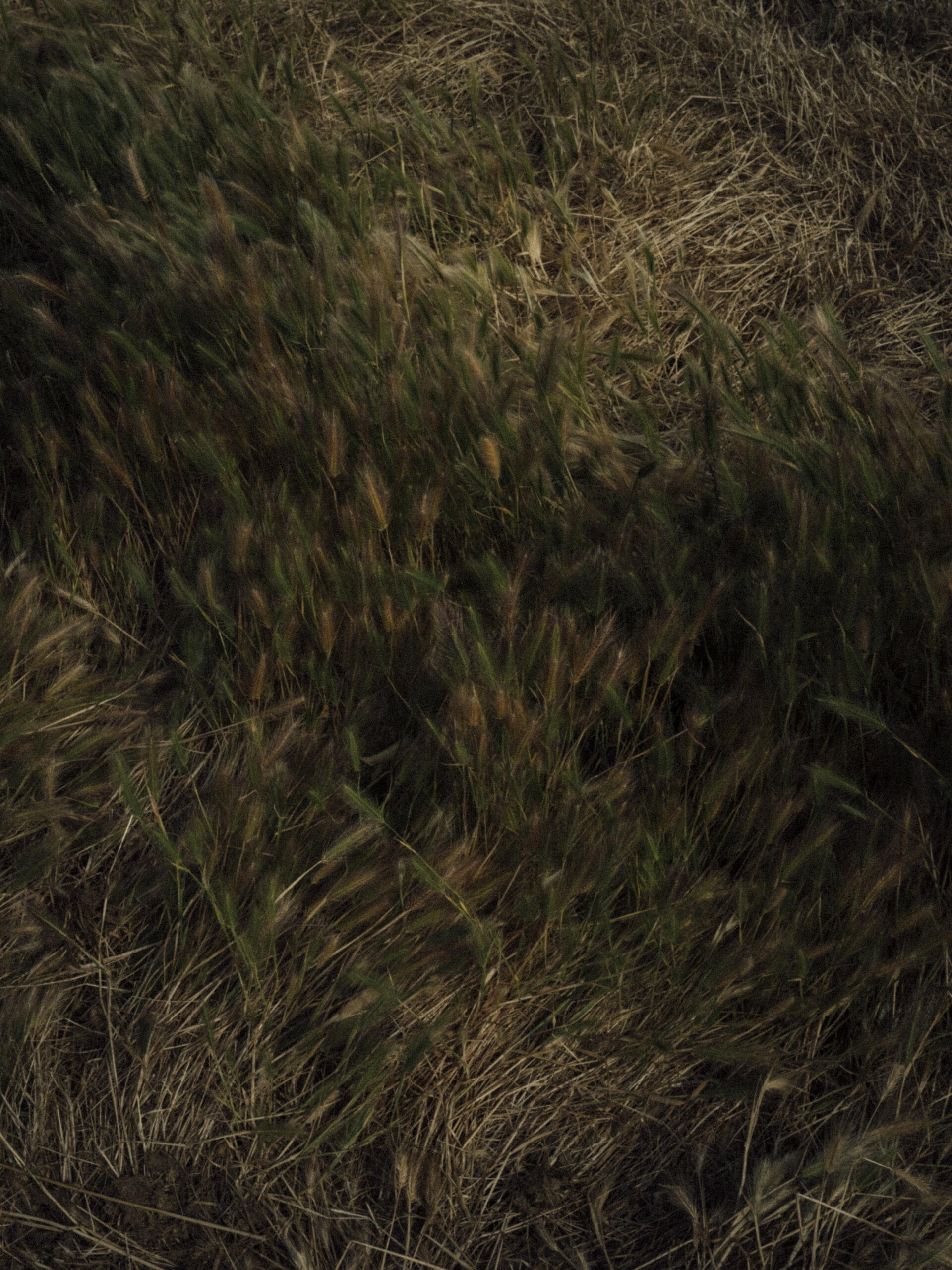
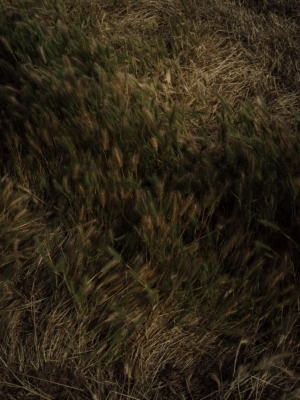
The pastures that feed Ortodoxo's herd of Jersey cows
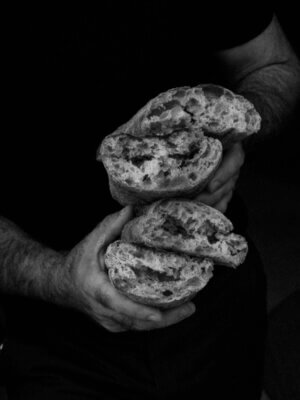
Pão do Pastor's flavor is based on from stone-milled Portuguese flour and sourdough techniques
Alcaçer do Sal is the Portuguese municipality with the largest rice production
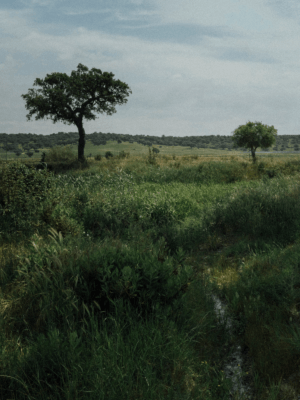
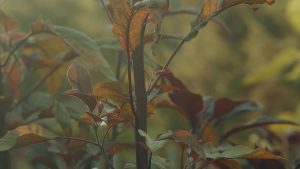
Cork oak and olive trees traditionally dot the Portuguese landscape
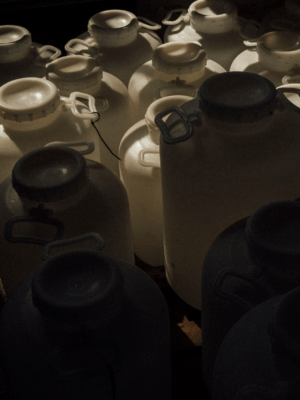
The quality of Ortodoxo's cheese requires swift processing of fresh milk
Grande do Viso cheese setting at Ortodoxo's factory
Filipe Núncio at his rice paddies on the banks of the Sado
Rice Crafters and its parent company Aparroz keep an archive with samples from every rice harvest
Rising loaves at Pão do Pastor
The pastures that feed Ortodoxo's herd of Jersey cows
Pão do Pastor's flavor is based on from stone-milled Portuguese flour and sourdough techniques
Alcaçer do Sal is the Portuguese municipality with the largest rice production
Cork oak and olive trees traditionally dot the Portuguese landscape
The quality of Ortodoxo's cheese requires swift processing of fresh milk

The Journal

Meditations on slowness through photography, film, art and original reportage.
Latest Stories
Contact
FLUSSBAD
Zur Alten Flussbadeanstalt 1
10317 Berlin, Germany
Website by Studio Airport